It was difficult to find a lot of people I didn’t know anything about and capture their best image. I saw changes in their personality when they changed their emotion because it was like they were a different person. Bias could affect my photos because I could see them as a totally different person then they really are. I didn’t ask many questions, but I probably should have asked them something about their background. Click here for slideshow.
Smile
A difficult part of this project was getting my pictures into a document because I didn’t get the necessary help that I needed. The people who have a sad face have the biggest difference between a smile and non-smile. Bias could affect my job as a photographer because I could skip by someone very interesting just because of how they look. I could ask a client to simply smile because everyone is capable of smiling. See my photos here
Smile
For this project, we had to take 15 pairs of photos and each of the 15 has to be a different person. So 2 photos every person. In one of those photos, the person has to smile and on the other, the person cannot smile. The most difficult part of this project is asking strangers to take their picture. This made things hard to find people because most people either reject or they just look intimidating and we are just too scared to take their photos. Every one of those 15 people has a different change. Whether they don’t even change or they just look like a completely different person. Being bias as a photographer can change our way of seeing others. If the photographer saw them in a bad way, he/she is just losing more and more opportunities. As a photographer, you are expected to be fair. In order to take fair photos, you have to ask your client certain questions. Some questions you might ask could be as simple as this, “What do you consider yourself?” or, “What achievement do you consider to be your best. You don’t want to ask questions too personal.
Click here to see the photos.
Smile
For this project we had to take 15 pairs of photos (in our case 20 pairs because we were in a group) of people. One picture had to have them with a smile while the other had no smile. The difficulties of this project were asking complete strangers to take their pictures. This was kind of awkward in some situations and sometimes they would look really intimidating. However, after we asked them to smile, their face would turn into a whole different person. I saw many intimidating faces “light up” once we asked them to smile. A smile can turn anyone into a completely different person. Bias could affect a photographer because when we look at a person, we judge them based on their current appearance. When photographers do this, they lose many opportunities that they could have had if they just asked a simple question. If I was hired to be a photographer, I would ask my client/subject questions such as, “What would you consider to be your best achievement in life?” or, “What is your favorite emotion to experience?” (such as happiness or sadness). Asking questions like these helps me perceive the person better and also helps rid the bias. You can find the pictures we took here. Overall, this project helped us learn that “You can’t judge a book by its cover”.
Smile!!
In this project, I had to take pictures of 15 different people, I had to take 30 pictures in total. One picture with them smiling and one without smiling. The challenge was finding people to take pictures of because no one wanted a picture of themselves. Some people’s face changed a lot but others, you could barely tell the difference. Some people look very happy but others look not enthusiastic. You can see my pictures here.
SMILE!!!
During this project we had to find 15 different people and take pictures of them smiling and one not smiling to see how they change and what people thought when they look at both pictures. I had to have 30 pictures in total. This project was a very challenging project and it was really hard. Some of the challenges was to find people who would accept to take a picture. They were not forced to take the picture so they had the ability to say no which made the project so difficult. Some changes that I saw was some people looking aggressive when they didn’t smile and others looking sad and depressed, but when they smile they look like a completely different person. When I was taking the pictures I was scared to ask some people if I could take pictures of them because when I first looked at each person I thought about how they could be just by looking at their faces. Even though I didn’t know them I pictured some ways they could act just because of how they looked. But When they smiled, I was so surprise of how different they looked when they weren’t smiling. When I asked people if I could take pictures of them I didn’t really bother ask them question because I felt like I was already taking up their time and it was awkward so I didn’t want to torture them more by asking questions. You can check out all of my photos here.
Smile!
For this assignment we had to take photos of 15 different people, one smiling and one not smiling. When people weren’t smiling they looked either intimidating or dead inside. But then when they smiled they looked so much more happy and alive! Bias can affect your job as a photographer because you might want to take a picture of someone but they look intimidating, so you just don’t. They could be a really nice person for all you know, but they just don’t look friendly. Some people look more approachable than others. I would ask people what they like to do in their free time, because that can show a lot about their character. You can see my photos Here.
Smile
In this project, we had to take 2 pictures, one of someone smiling and one of them not smiling. This would give whoever was looking at the photos a different perspective about the person and not to automaticly think about stereotypes. The most difficult part of the project was honestly putting them on the presentation and making sure the photos looked even. When I looked at the different photos I definitely saw a difference, it showed me who the person really was once they smiled. Bias could affect a ton of things as a photographer such as the way the photographer wants to portray the photo or how they want people to see/feel when looking at the photo. I should ask what they want people to think of you when they look at the photo. This project really opened my eyes to different perspectives. If you would like to see all my photos, click here.
Light Graffiti
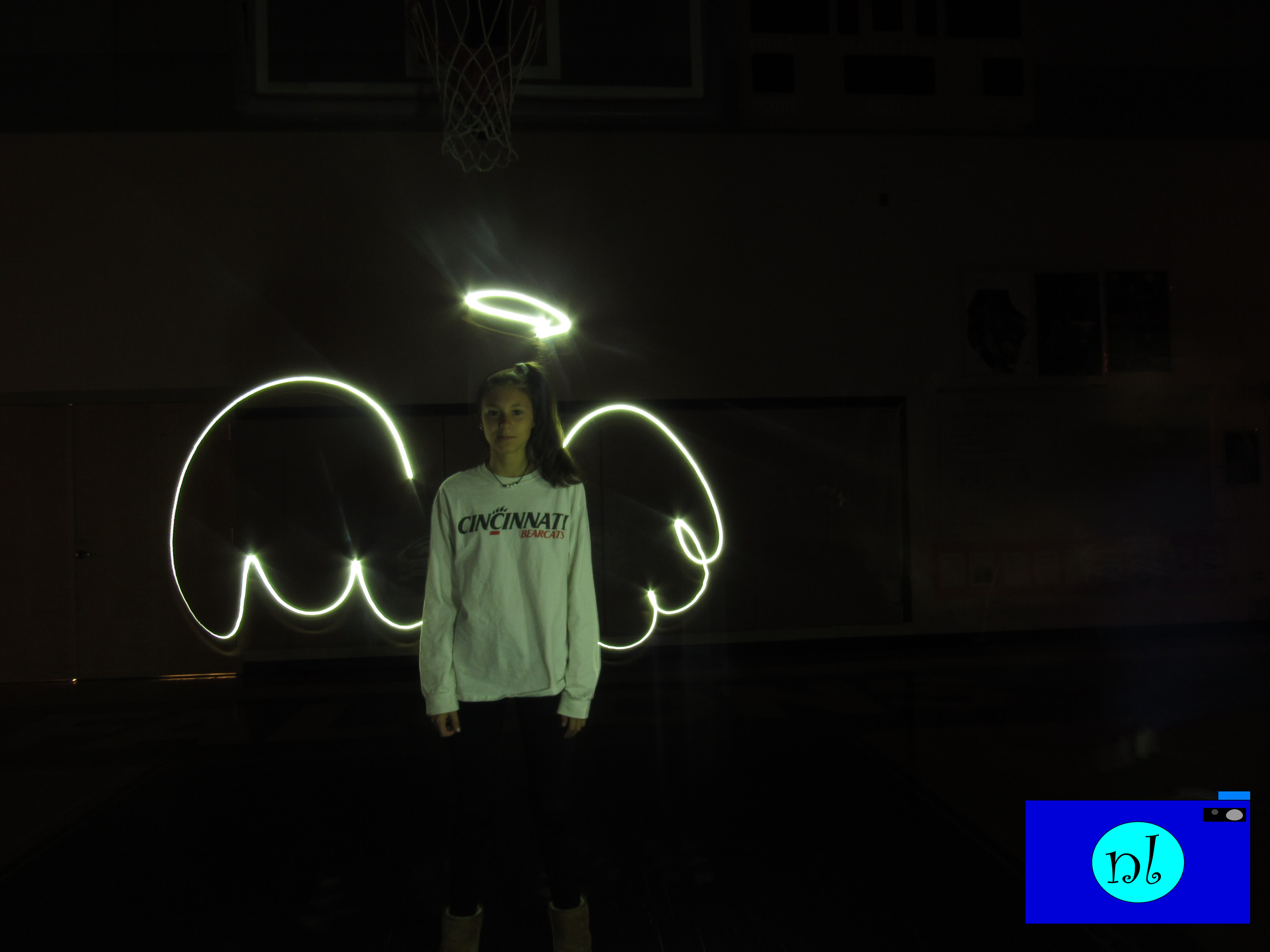
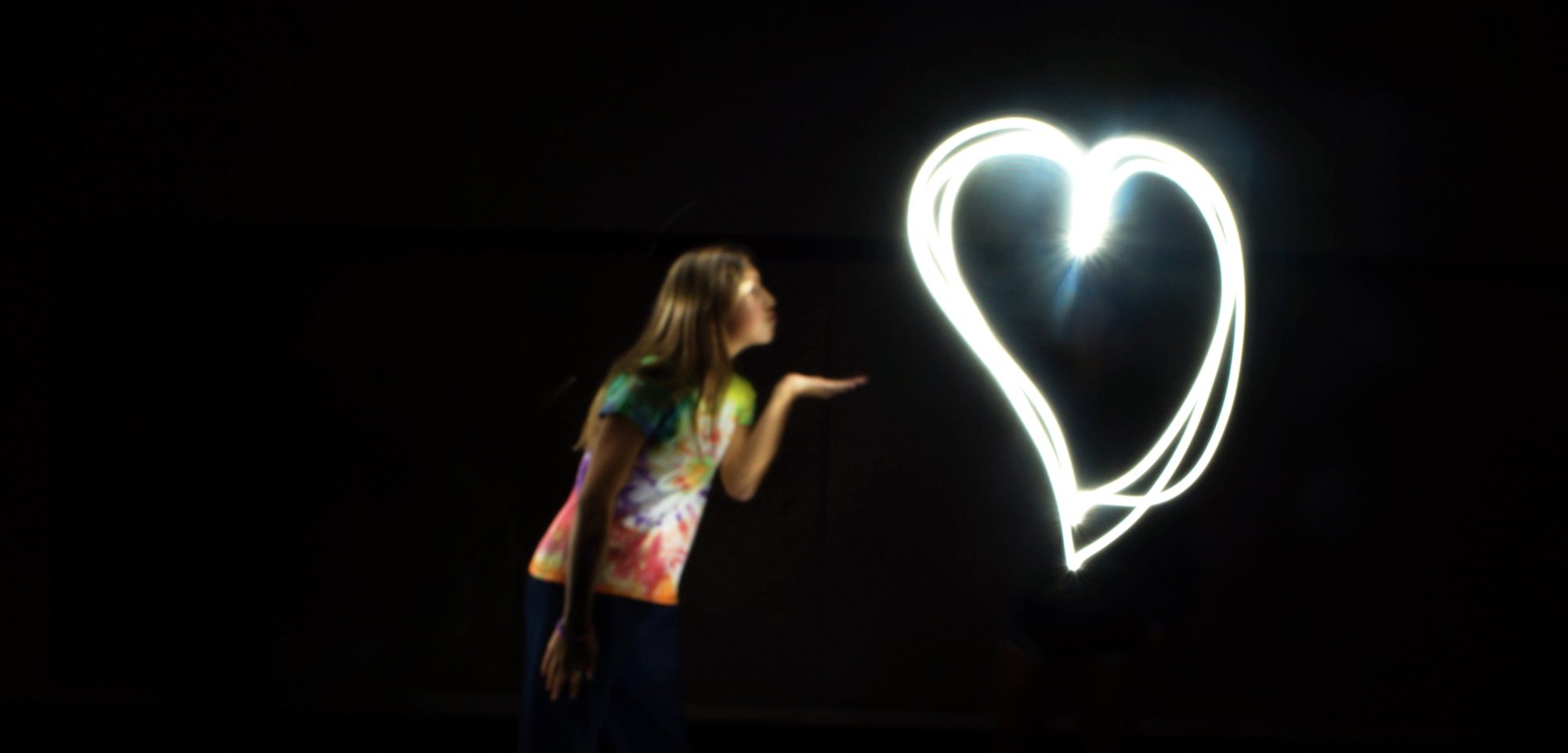
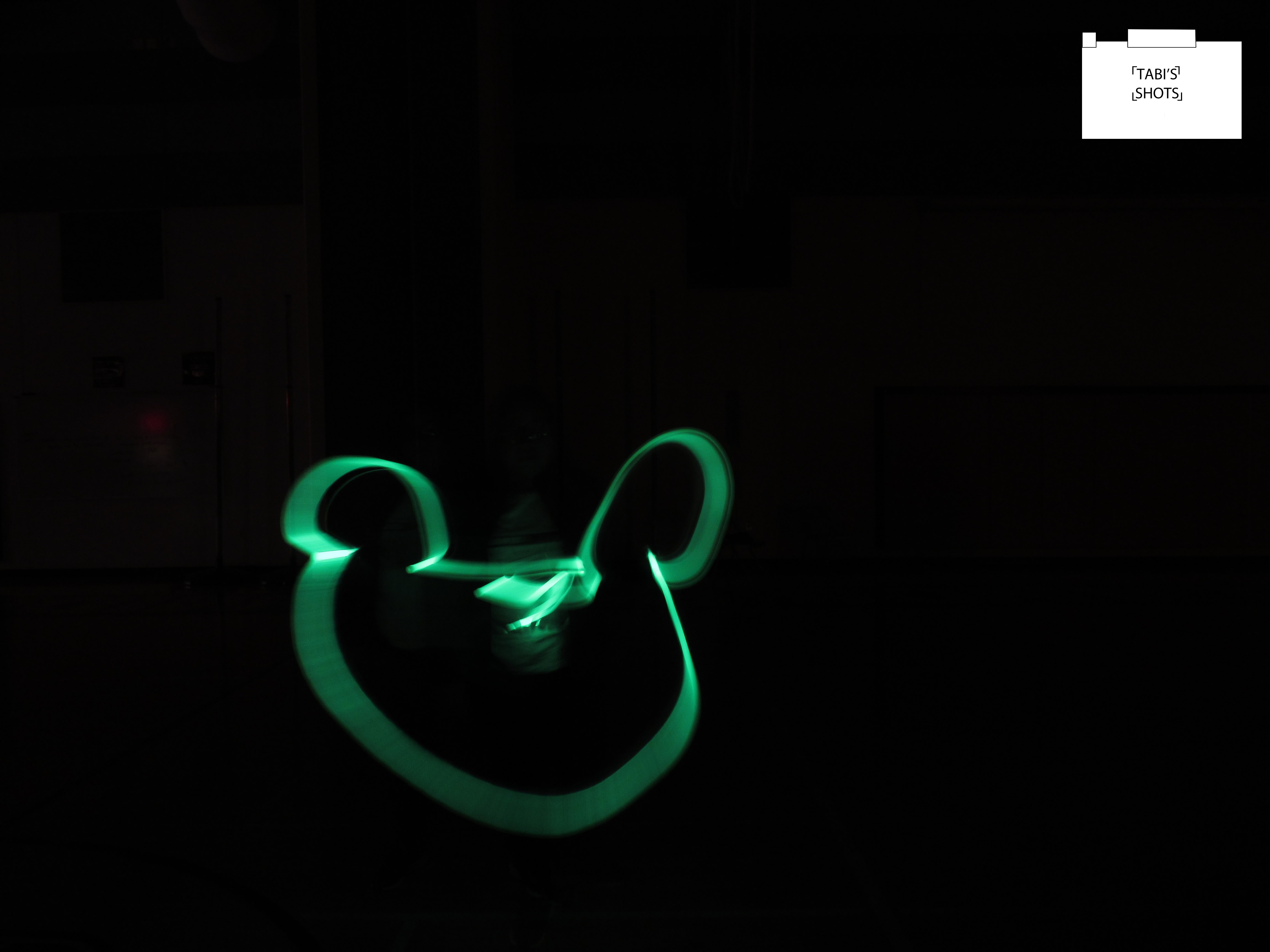
I took my pictures by putting the camera to manual and the shutter speed to 15 seconds. We had to use our phone light to make the images. What worked is having multiple lights what didn’t work was trying to different things with the light sometimes because it would be harder to do sharper lines because the light follows every movement so there would be a dragged line. That was also a frustration because when we move after finishing the image we want there are extra lines from when we moved. If we were to take this to the next level we would probably need more shutter speed time and more people so we can have more details to the scene.You can find more of my pictures here.

Light Graffiti